Guides and field notes for the AI-assisted team
Practical, tool-agnostic guides on AI-assisted engineering and running real production systems with small teams.

Five Thousand Alarms, One Ticket
One fiber cut, five thousand alarms in a minute, one ticket to the fiber team. What happens in between: filtering, deduplication, parent-child rules, cross-domain correlation on the map, demarcation, and the arrival-order problem that can split one incident into many tickets. Part 2 of the topology series, with a seven-minute video.
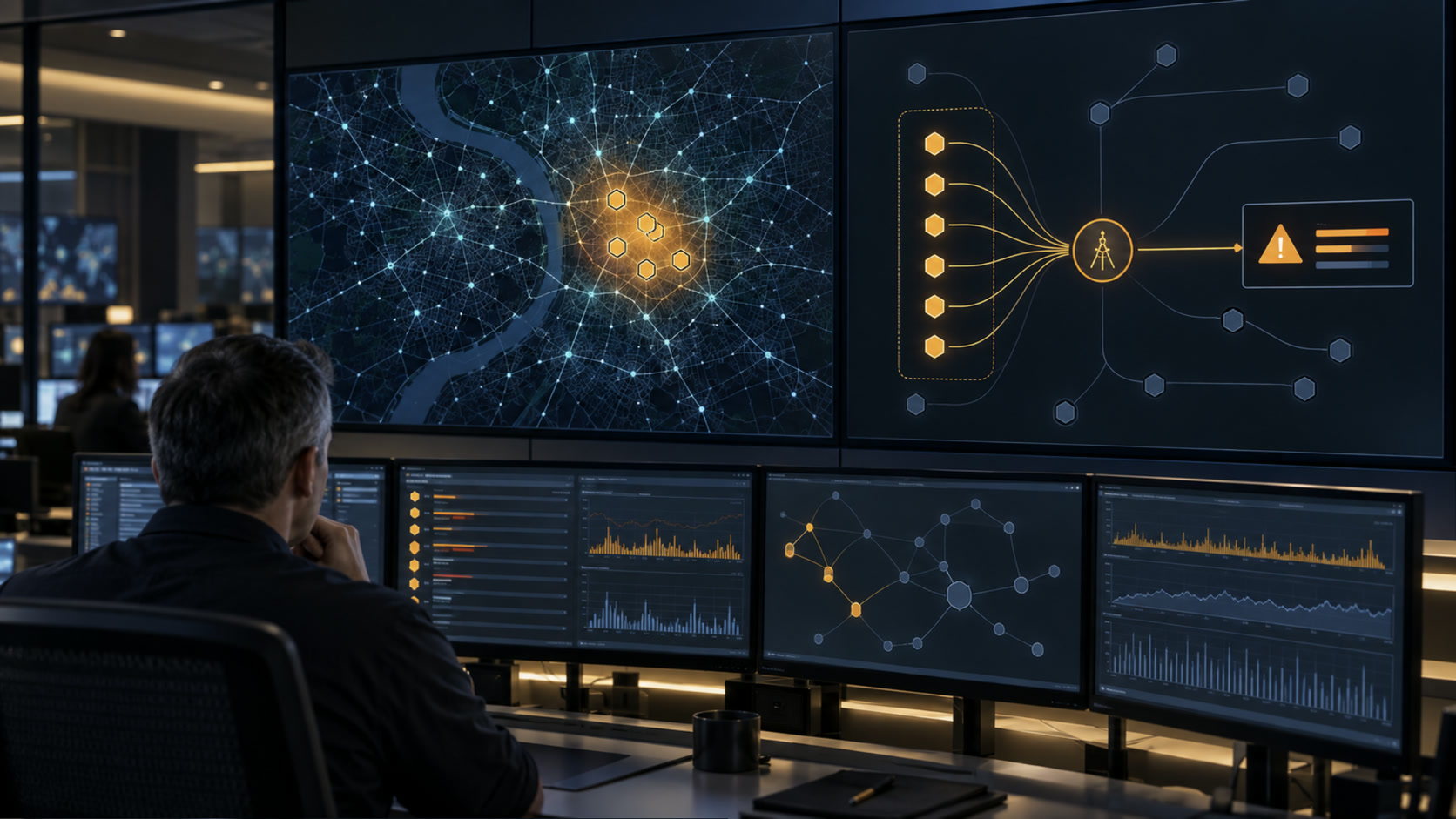
The Map Is the Product
Nobody exports the network topology. An assurance platform computes it every night from six raw tables, and alarm correlation is only as good as that map. How restoration works step by step, the two numbers that tell you if it worked, and the five places it breaks. With a five-minute video.
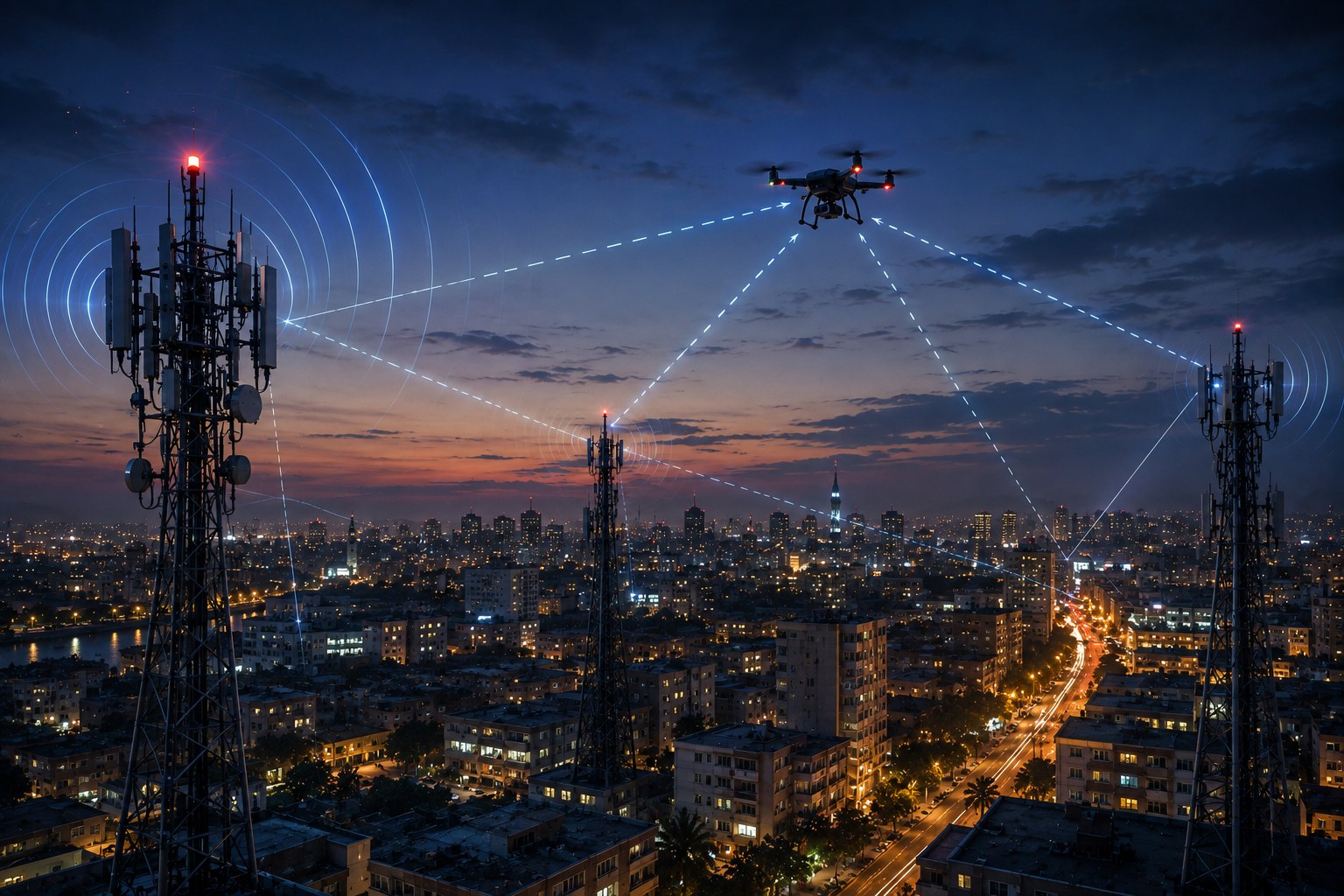
Your Cell Network Is Learning to See
The same towers that carry your calls tracked drones over a Texas stadium in July - no radar added. Cell towers as sensors: what is real, what is still in the lab, the business nobody has built, and the privacy question nobody has answered. With an interactive 3D demo.
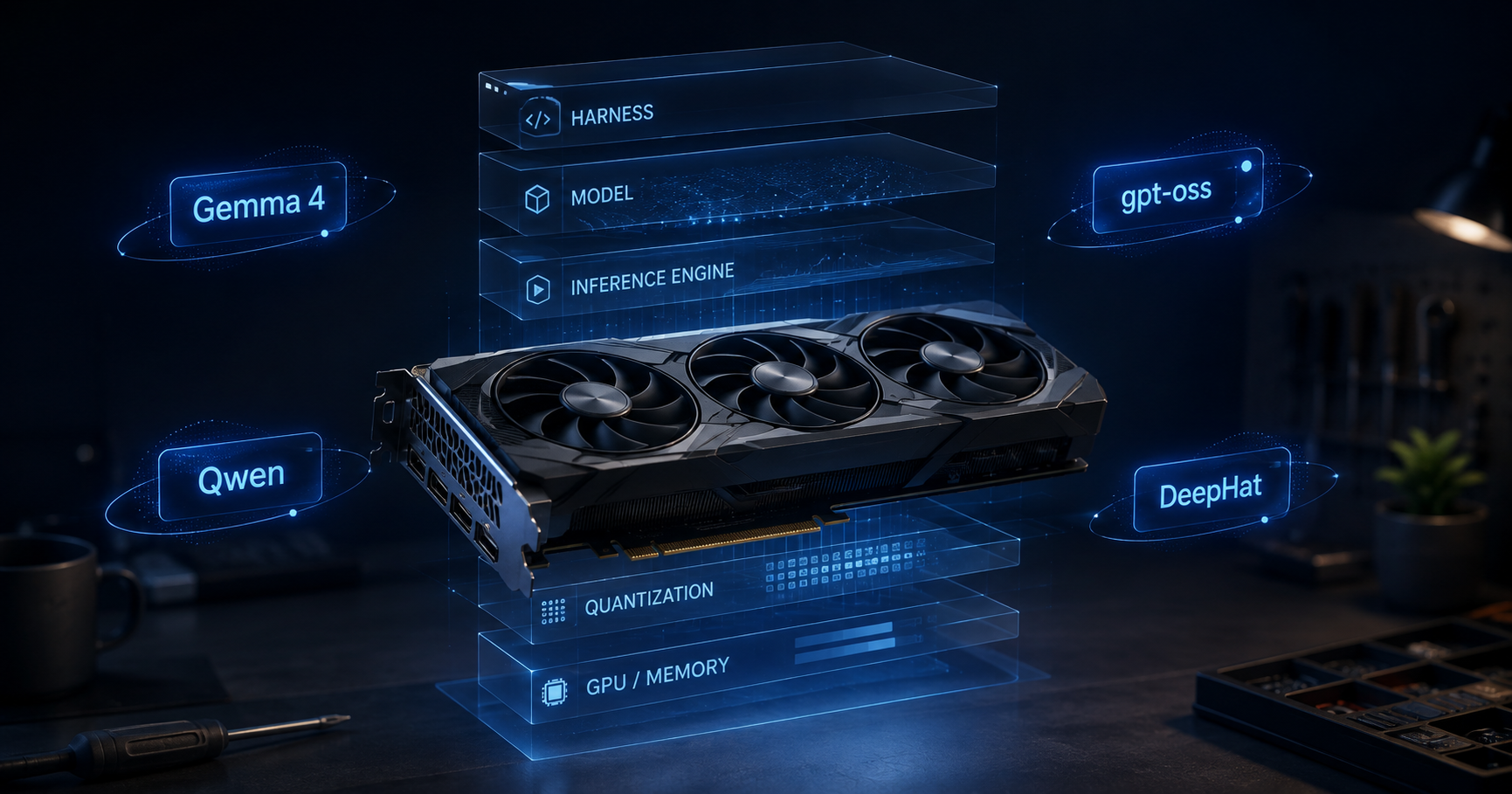
I Self-Hosted AI for a Week. The Model Was the Easy Part.
One rented cloud GPU, a shelf of open model families, and the discovery that "the model" is an entire engineered system: the 32B wall, the harness lesson, a VRAM sanity-check calculator, verified GCP prices, and what raw models teach about guardrails.

Why Long Context Is Hard: KV Cache, MLA, and Kimi Delta Attention
Storing a long chat can cost more memory than the thinking itself - 131 GB of notes for one conversation. Part 2 of the zero-background series: the growing notebook, the compressed notes, and the whiteboard that never grows. Also in Arabic.
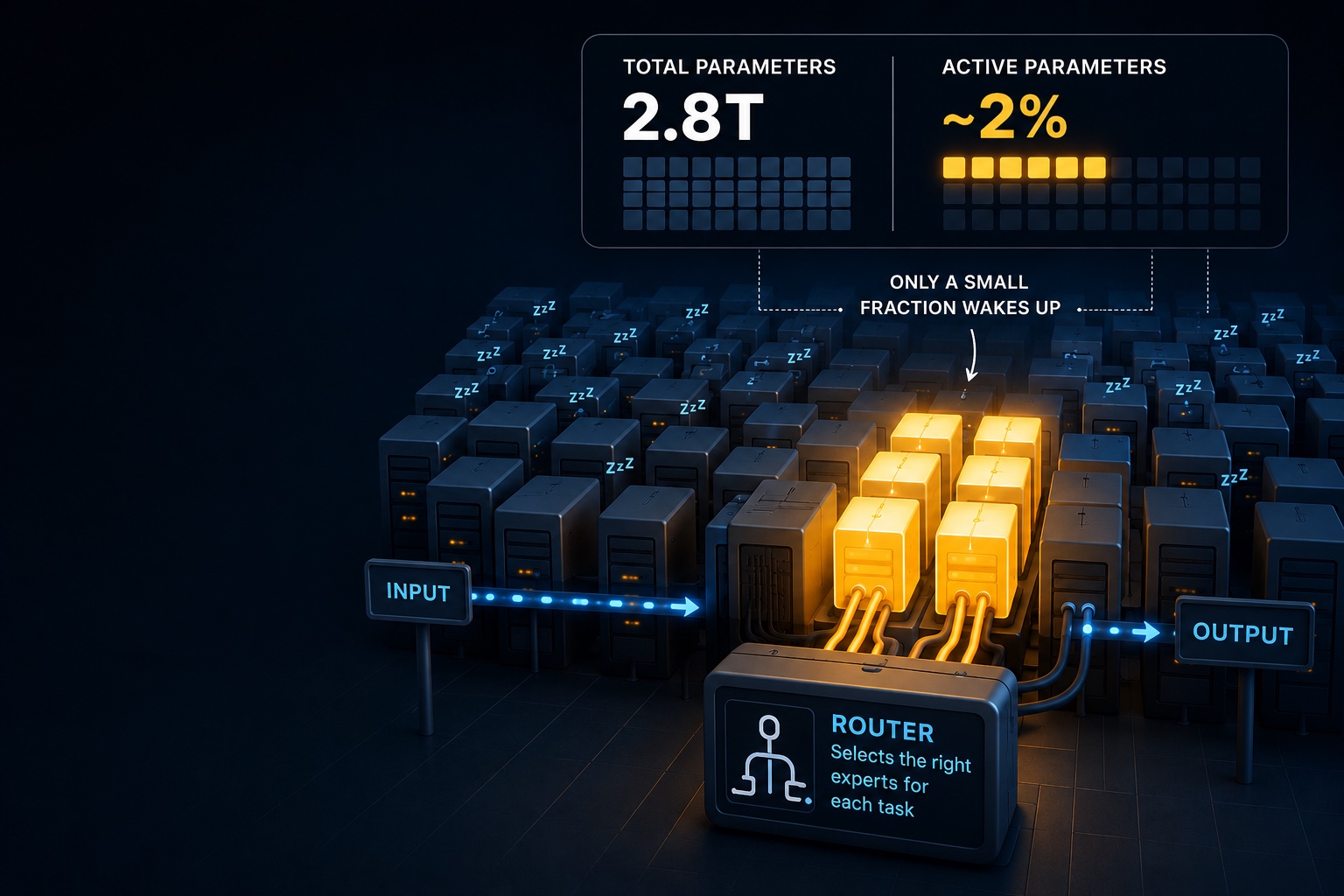
Mixture of Experts (MoE) Explained Simply
Kimi K3 holds 2.8 trillion parameters, but only 104 billion of them do any work for a given word. A zero-background guide to experts, routers, and the two numbers that matter more than the headline. Part 1 of the series; also available in Arabic.

The Loop Meets the Microwave Network
Everyone draws the AI closed loop on RAN and core. Here is what it actually has to reason about on microwave backhaul - rain fade vs hardware ambiguity, vendor islands, blast-radius-gated actions, and the pre-reroute QoS check no diagram shows. With an open console that runs the whole loop live.
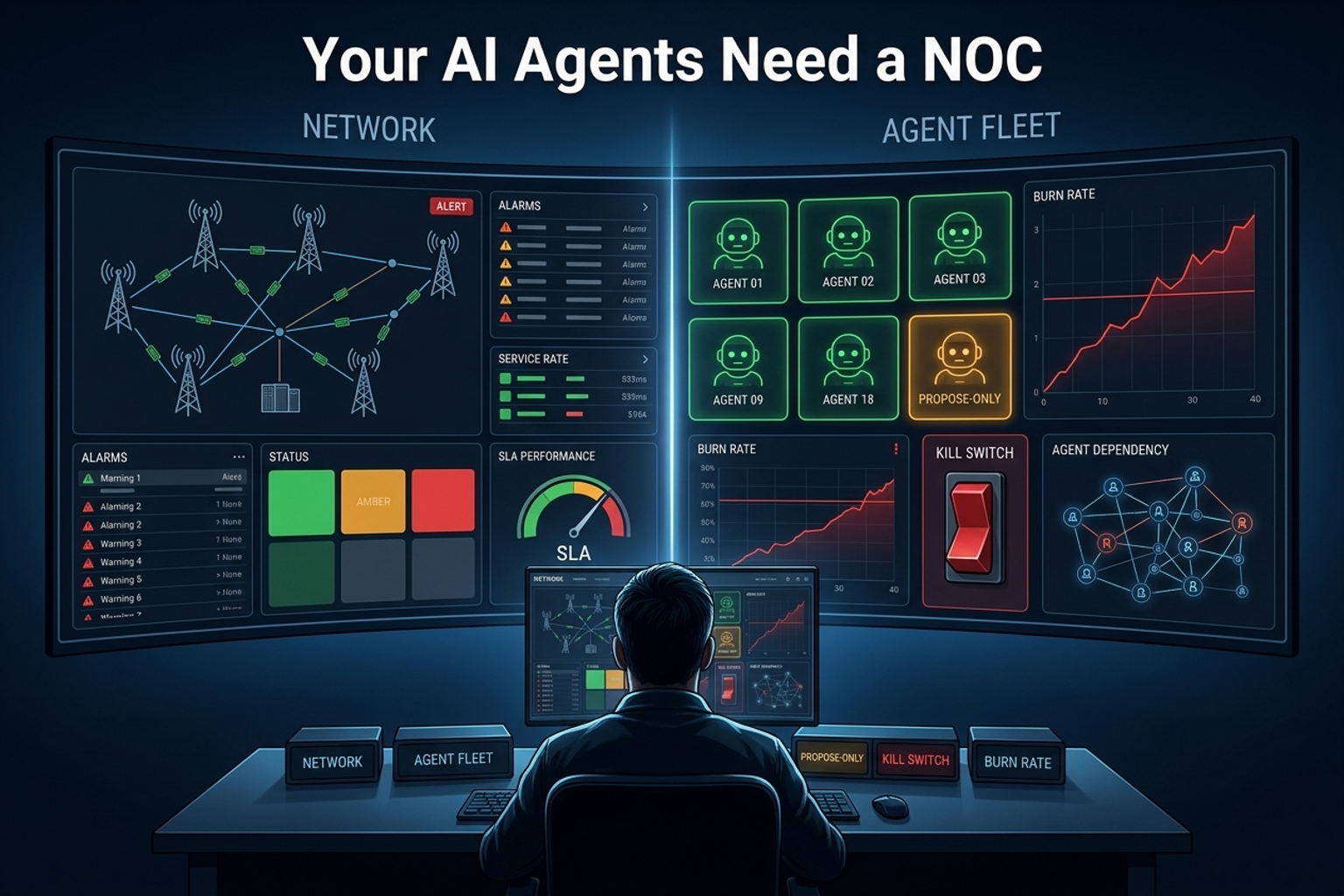
Your AI Agents Need a NOC
Telecom spent six years getting 4 percent of operators to Level 4 autonomy. AI agent teams are speed-running the same curve without the guardrails. What thirty years of NOC discipline transfers to agent fleets, what breaks in translation, and the assurance gap no tool has closed - with an interactive Agent NOC you can operate.
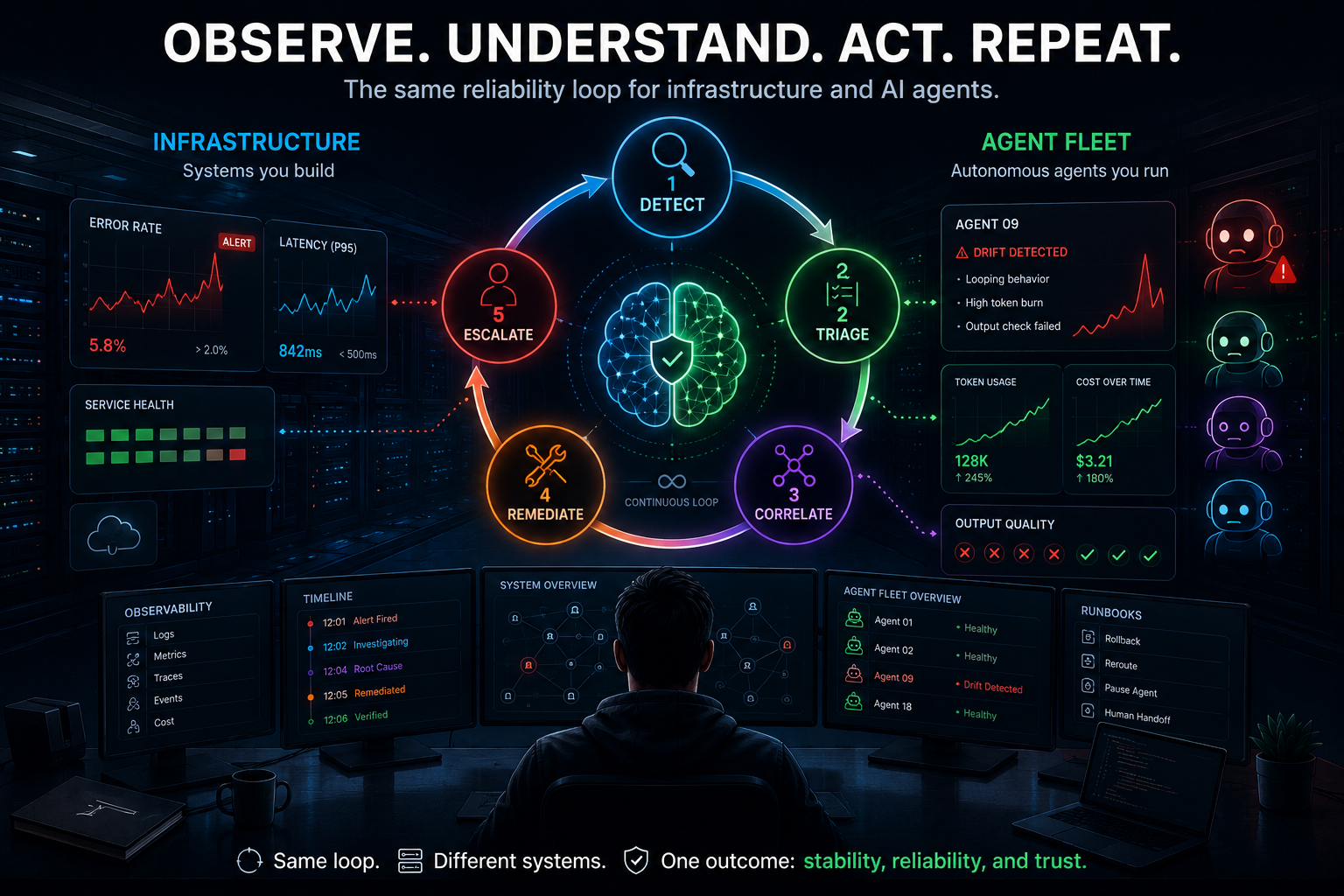
Who Operates the Operators?
AI agents have started causing the production incidents they were built to resolve. A field guide to running the SRE incident loop on the agents themselves: a control plane, per-agent identity, session replay, a confidence gate, and the kill switch you build before you turn on autonomy.
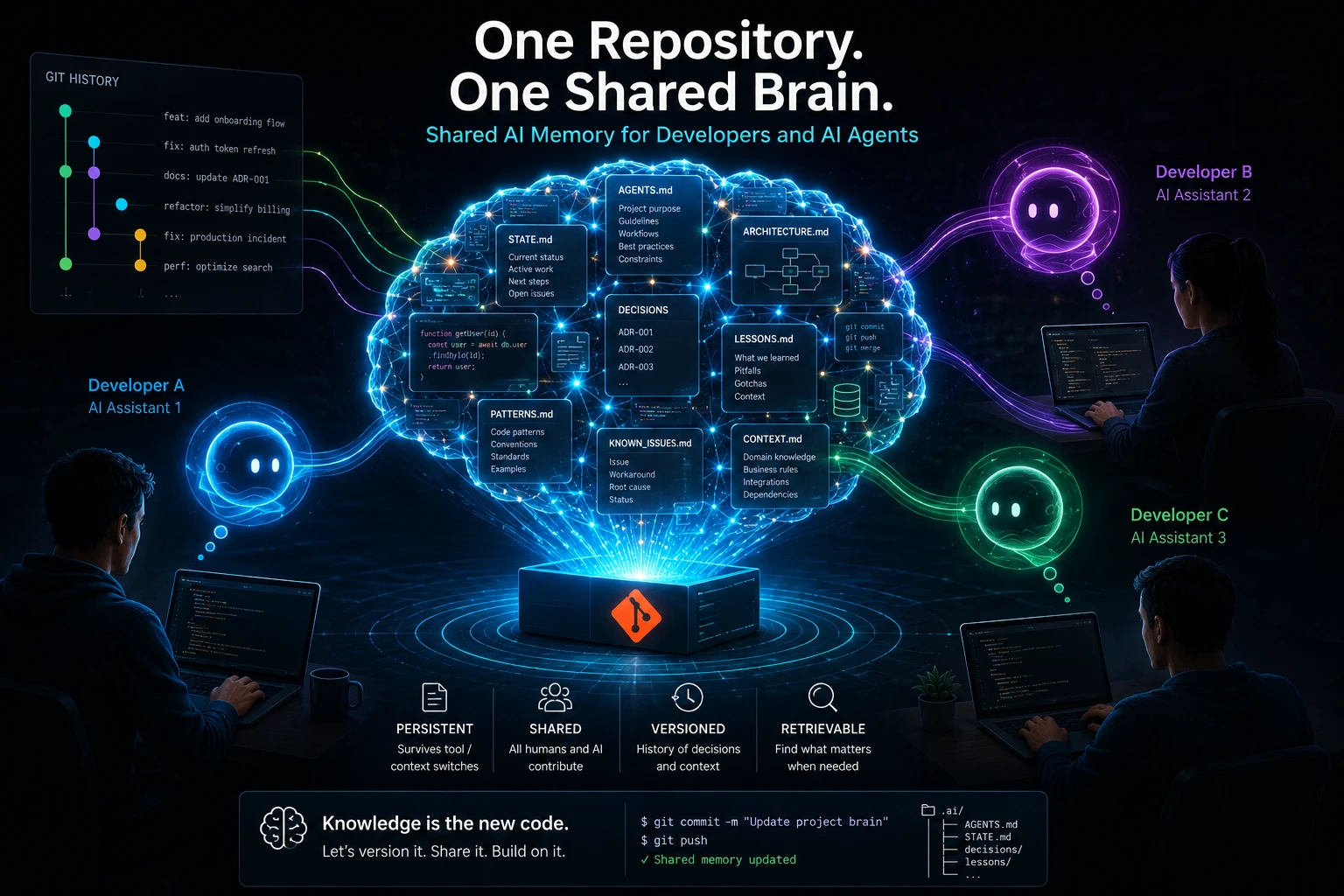
One Repository. One Shared Brain.
A step-by-step guide to giving every developer and every AI coding agent the same project memory, in any environment: one canonical AGENTS.md, a versioned .ai/ knowledge base, the operating rules that keep it trustworthy, and the point where a memory service becomes worth it.